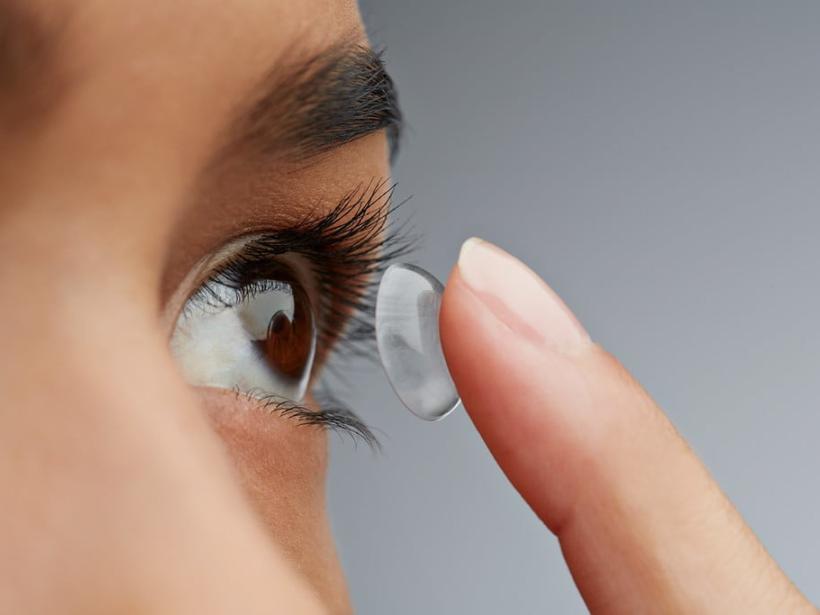

Considering contact lenses for correcting visual imperfections and impairments, there is an array of imperative things to be aware of. With a range of convenient options available today, almost anyone can pick the best lens match based on the prescription. And while some individuals pick lenses as they suit their active lifestyles, others may still have doubts about going this path because find them difficult to wear and hard to care for and prefer some more traditional solutions, such as eyeglasses. So let's have a quick look at lenses benefits, types, and how to decide if you are a perfect candidate for them.
Importance of eye exam
Apart from detecting threatening eye issues and diseases, the examination is paramount to decide which option among all types of contact lenses is right for you. An eye exam for determining which lenses suit you best includes special tests and examinations that are not included in routine eye examinations when fitting glasses. Therefore, if you are interested in wearing lenses or strive to keep your prescription up-to-date, be sure to obtain a comprehensive exam and sound consultation. In this case, additional time will be allocated for your examination, so that the ophthalmologist can complete all the necessary procedures for choosing the right lenses type or for updating the prescription. What to expect during an exam:
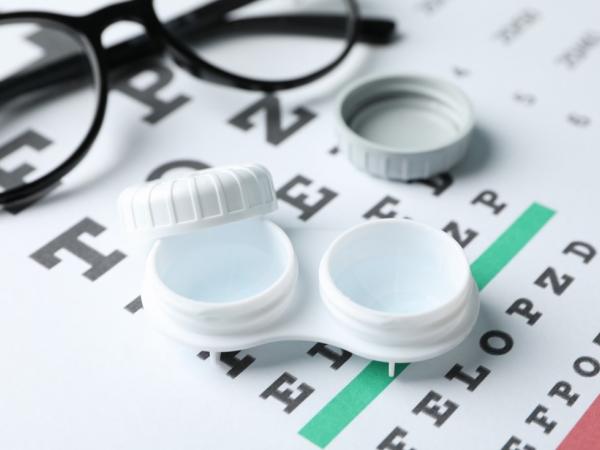
- a specialist will perform a series of tests to determine the severity of your condition, and your visual acuity will be checked using a specially-designed eye chart;
- extra information collected by experts is critical to decide on the type and size that are best for an individual;
- since there is an option of picking colored lenses, you must be ready to share your desires, preferences, as well as lifestyle.
It is not recommended to select lenses or glasses on your own and to purchase them outside ophthalmological stores. In such a scenario, the problem of poor eyesight can be solved only partially or even lead to severe eye damage. The consequences of improperly selected contact lenses can drastically affect health. Poor outcomes include a deterioration in vision, a headache, fatigue in the eyes, and dizziness, sometimes, it can provoke cornea inflammation, known as keratitis.
Buying tips
Having your prescription, you can go into the selection process. When seeking a place for buying, consider some important criteria, including customer reviews, reputation, and rating on the Internet. You must also check policies and the level of client support. Buying a product from a trustworthy source means enhanced comfort and excellent quality, so don’t skip screening potential places where you can purchase lenses. Poorly selected lenses will not fit your eye the way they should and even may trigger vision loss due to damage it can cause.
Contact lenses care recommendations
It is of primary importance to keep your contacts clean to avoid triggering a range of issues, and use an appropriate solution if you don’t want bacteria to build up and cause an eye infection. Cleaning your lenses is an imperative routine since dust and harmful particles accumulate on them. To reduce the occurrence of contact lenses risk factors, here are top tips on the caring procedure every responsible lens user must follow:
- before removing, putting on, or cleaning your lenses, be sure to wash your hands to get rid of any microorganisms that may get on the surface of your contacts;
- for rinsing the lens, use only fresh solution;
- also, take care of the cleanliness and hygiene of the lens storage container;
- remember that water can be harmful to the fragile lens, so avoid using it for lens rinsing;
- use only special solutions that are intended for disinfection;
- also, never substitute care products without consulting with a specialist.
Disinfection and cleaning should be a sustained daily ritual for all lens wearers. Contact lenses open up new life opportunities for people with visual impairments. In addition, they offer a greater aesthetic and are comfortable to use. However, in order for the lenses to be worn safely, and to serve the period specified by the manufacturer, it is important to take proper care of them, as it means that you take care of your health.
Frequently Asked Questions
What should I know before buying contact lenses?
Before buying contact lenses, it's crucial to have a comprehensive eye exam to determine your prescription and the best type of lenses for you. This includes specialized tests that are not part of routine eye exams for glasses.
Why is an eye exam important for contact lenses?
An eye exam is important because it helps detect any eye issues and determines the right type and size of contact lenses for your eyes. It also allows you to discuss your preferences and lifestyle with the specialist.
Can I choose contact lenses on my own?
No, it is not recommended to select contact lenses on your own or purchase them from non-ophthalmological stores. Doing so can lead to poor vision correction and may cause severe eye damage.
What are the potential risks of improperly selected contact lenses?
Improperly selected contact lenses can result in vision deterioration, headaches, eye fatigue, dizziness, and even cornea inflammation known as keratitis.
How should I care for my contact lenses?
To care for your contact lenses, wash your hands before handling them, use fresh solution for rinsing, and keep your lens storage container clean. Avoid using water for rinsing lenses and consult a specialist before changing any care products.
What happens if I don't clean my contact lenses properly?
If you don't clean your contact lenses properly, bacteria can build up, leading to eye infections and other complications. Regular cleaning is essential to maintain eye health and the longevity of the lenses.
What benefits do contact lenses offer?
Contact lenses provide a greater aesthetic appeal and comfort for individuals with visual impairments. They can enhance your lifestyle by offering convenience, especially for those who prefer an active lifestyle.