
In today's world, it is almost impossible to imagine a life without screens. Smartphones have become the first thing we see in the morning, laptops have taken over our working lives, and tablets have become the in-between solution for the rest of our waking hours.
As we have become more dependent on these screens, we have seen a dramatic change in the functioning of our eyes throughout the day. As we spend more time in front of screens, we have seen an increase in the number of people complaining about eye fatigue, discomfort, and lack of visual acuity, which were once exclusive problems for people in certain professions.
In these times, for people wearing contact lenses, the situation is more critical, as the prolonged concentration on screens reduces the rate of blinking, causing instability in the tear film. In these critical times, one question always seems to be on everyone's mind: Why are eye breaks important?
The Impact of Prolonged Screen Time on Eye Health
The prolonged use of screens puts additional pressure on the human visual system as well as the eye muscles, as it requires constant adjustments to pixel refresh rates, contrast, and glare, unlike in reading, where the eyes do not have to adjust constantly for these factors. As a result, digital eye strain occurs, where the eyes get fatigued, but no structural changes are made to the eye itself.
A closely associated condition is computer eye syndrome, which is an overarching term for a number of conditions arising from prolonged vision activities with electronic devices. It highlights the challenge presented by screens to human vision, requiring the eyes to be fixed at a point for long periods of time.
Since one of the primary effects of prolonged screen viewing is dry eyes from the computer screen, where humans blink much less than usual, awareness of this issue is vital to reduce the negative effects.
The question that comes to the mind of the patient is, “How many hours of screen time is healthy for the eyes?” From a clinical point of view, it has been observed that it is not just the hours of exposure to screens but also the lack of breaks in between. Prolonged hours of exposure to screens lead to muscle fatigue and a lack of accommodative flexibility.
The other common question asked by a patient is, “What are the signs of too much screen time?” The signs of overexposure to screens develop as a result of overwork of the visual system, especially when screens are used without maintaining eye comfort. As a result, vision deteriorates and may require eye correction.
This section highlights the fact that the stress of screens builds up silently before it affects the user.
Recognizing When Your Eyes Need a Break
The eyes tend to provide signs of fatigue before the condition becomes painful. Recognizing these signs enables a person to realize their limits and take the necessary steps.
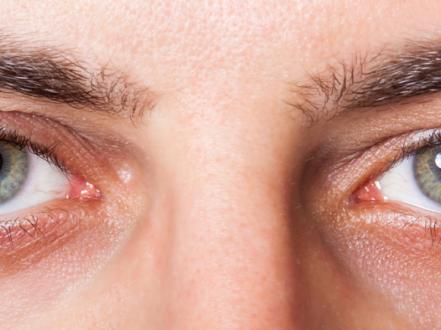
The signs begin with mild symptoms that are often overlooked or dismissed as fatigue. As the condition persists, the signs become more apparent, which can impact vision and comfort. Many patients will ask, “How often should you take a break from screens?” This is usually when the signs begin to impact work or focus.
Some common signs that a person needs to give their eyes a break include:
- A constant feeling of heaviness or pressure in the eyes
- Sensitivity or pain in the area around the eyes or forehead after intense work
- Trouble focusing clearly, particularly when changing distances between objects and the viewer
- Sensitivity to light or screen brightness
- Slowing of reaction time and reading speed
- A tendency to squint or rub the eyes involuntarily
As screen time persists and recovery time is not provided, these symptoms can increase in intensity and duration, extending beyond working hours. Even visual discomfort can start to affect postures, concentration, and sleeping habits, which makes awareness even more important.
This understanding of symptoms can be useful in differentiating normal tiredness from those behaviors that are indicative of overuse.
Conclusion: The Importance of Creating Healthy Screen Habits through Eye Breaks
Why are eye breaks important? The importance of screen breaks lies in their contribution to maintaining visual comfort and supporting healthy long-term eye functioning. They interrupt the cycle of constant and unrelenting visual strain caused by modern screens.
However, equally important is the broader question: What is the importance of taking regular breaks when working on portable devices? This is important as it will help users become more aware and create healthy screen habits by recognizing their limits and respecting the need for their eyes’ recovery.