
Air pollution is no longer a distant danger. In the current reality, it is a potential threat for eye safety of millions of people around the world. While its effects on the lungs and heart are common knowledge, the effects on the eyes are often ignored, especially when considering the fact that our eyes come in direct contact with the air all the time.
With the rise in air pollution, there has been an increase in the number of people complaining about eye problems, which can no longer be attributed to the effects of screens and devices alone. Does air pollution affect eyesight? Research has proven that it does, and it affects us significantly.
How Air Pollution Impacts Eye Health
Air pollution affects the health of the human eye due to prolonged exposure to harmful substances in the air. PM2.5, PM10, exhaust from vehicles, and smoke from industry and chemicals can all get into the tear film, which acts as a first line of defense for the eye. When these substances get into the tear film, they can cause instability in it, which can alter the delicate balance of vision.
The question that comes to mind for every patient who asks about air pollution and the health of the human eye is, “Can air pollution cause eye problems?” The answer can be found in the fact that air pollution can cause inflammation and trigger infection.
The problem with the human eye, which can be caused by air pollution, can manifest as an ocular surface disease (OSD).
Another factor that airborne toxins cause is dry eye syndrome, as pollution speeds up the evaporation of tears, thereby harming cells that produce protective oils for the eyes. Patients may experience gritty sensations, especially when they go outside or when there is high smog. In some instances, pollution may make one more susceptible to conjunctivitis.
In addition to the irritation, pollution may also play a role in how one perceives their vision. How does air pollution affect visibility? In particular, reduced air clarity, combined with eye surface instability, may cause blurring, focusing problems, and sensitivity to glare, such as when driving a car or using a computer screen.
Recognizing Symptoms of Eye Pollution
Early identification of symptoms is critical since eye pollution symptoms tend to arise gradually and are commonly confused with fatigue or computer vision syndrome. Identifying symptoms enables one to consult a professional before the condition worsens.
What are the symptoms of eye pollution? Some of the symptoms include:
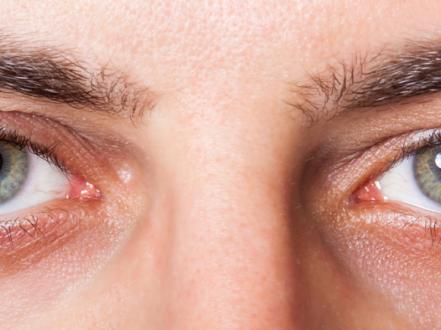
- Redness or irritation that worsens outdoors
- Burning or stinging in the eyes, especially following traffic or smoke exposure
- Blurred vision that becomes more intense indoors
- Excessive tearing, especially when experiencing dryness sensations
- Increased sensitivity to light
- Sensation of heaviness or pressure around the eyes
If left exposed for many years, the dangers of eye pollution go beyond irritating the surface. Research indicates that environmental toxins can accelerate the development of age-related macular degeneration (AMD) by enhancing oxidative stress in retinal cells. While pollution is not the sole cause, it can be a catalyst in affected patients.
Likewise, increased exposure to airborne pollutants has also shown associations with vascular and inflammatory responses, which can potentially provoke glaucoma. Therefore, environmental awareness is extremely important in eye care.
With these findings, the question “Can air pollution cause eye problems?” is no longer an academic question but rather an emerging clinical reality, as witnessed by eye doctors around the world.
Protecting Your Eyes and Maintaining Eye Health
Air pollution has both short- and long-term effects on eye health, which can range from surface irritation to potentially contributing to long-term ocular disease. Understanding the role of air pollution in eye health can also explain some of the more common symptoms experienced by those who are not aware of air pollution and its role in eye health.
In protecting your eyes, especially your aging eyes, from air pollution, one must consider evidence-based methods. Using protective eyewear while going outside is a recommended method to prevent your eyes from being directly exposed to airborne pollutants.
Reducing your time spent going outside during peak hours is another recommended method to allow your eyes to rest.
Being aware is the first step towards prevention. By being aware and taking proactive steps to prevent eye problems, one is able to maintain a comfortable and clear vision. Thus, the answer to Does air pollution affect eyesight? highlights the importance of considering environmental factors as an integral part of maintaining one’s eye health.