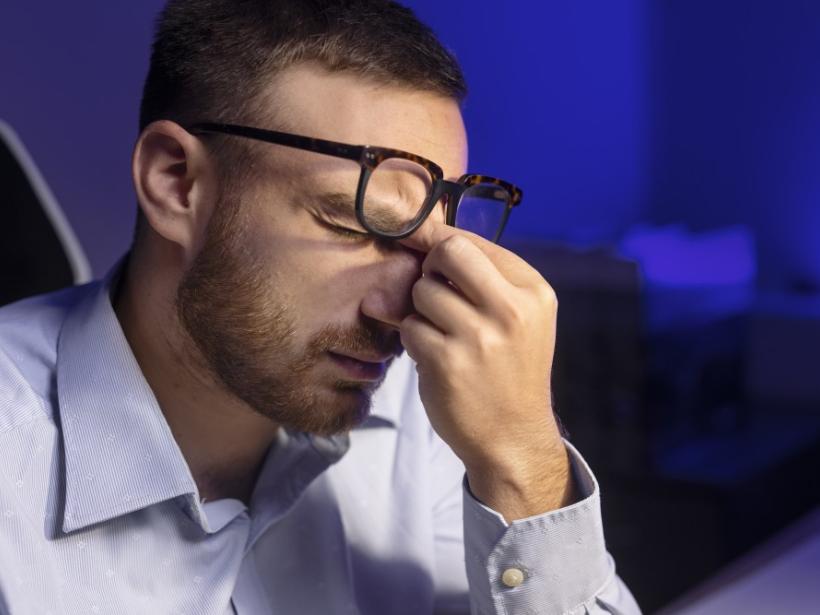

The function of sleep in the restoration of the entire bodily system cannot be overstated, and the eyes are no exception. In cases where the quality of sleep might be impaired or poor, the eyes very often become one of the first systems to manifest the effects of this strain. Studies have continually affirmed the link between sleep disorders and the eyes.
Some people may see some minor symptoms like drying out, eye strain, or dark circles under the eyes; others may see irritation or blurry vision. These problems may become serious in the long run.
Common Eye Problems Related to Sleep Disorders
The disruption of sleep affects the body’s regulation of inflammation, tear secretion, and muscle recovery. This means that patients suffering from chronic sleep problems will ask, What are the eye diseases associated with sleep disorders? The response begins with discomfort and long-term risks.
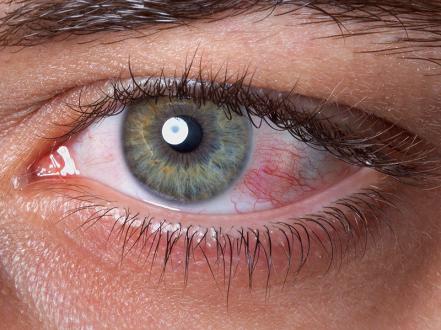
The most common condition associated with sleep deprivation is dry eye syndrome from poor sleep. This occurs when poor sleep results in poor tear quality.
Another common complaint is eye strain and fatigue, which tends to affect people who generally work long hours staring at a monitor screen and then don't get restful sleep.
Some sleep-related disorders, including obstructive sleep apnea, are also related to eyelid laxity, inflammation, and pressure injuries to the eyes.
How Sleep Affects Eye Function
Sleeping is an important time for eye restoration, especially for aging eyes or in people who strain their eyes constantly throughout the day. Deep stages of sleep are involved in tear replacement in the eye, healing of surface eye cells, and regulation of eye pressure.
A possible consequence of the absence of restorative sleep may involve regularly fluctuating visions, difficulties with focusing, and heightened sensitivity to light. People with persistent disrupted sleep patterns often observe symptoms linked to circadian rhythm disorders, and the question would naturally arise: What are the symptoms of a deep sleep disorder? These symptoms may involve frequent awakenings, unrefreshing sleep, and visual discomfort as a result.
Recognizing the Visual Signs of Sleep Deprivation
These sleep-related eye problems usually develop over time and are the kind that people can easily dismiss. However, it is important to recognize these problems in their early stages. The vast majority start to feel general discomfort long before recognizing that sleep quality is affecting their ability to see.
Common visual warning signs include:
- Eye strain and blurred vision, especially in the morning or after long periods of concentration.
- Myokymia: neuromuscular overstimulation causing twitching eyelids.
- Dark circles and puffiness are indications of poor circulation and fluid retention.
- Increase in light sensitivity to the point where even normal lighting can be uncomfortable.
Patients commonly ask, What are the visual signs of sleep deprivation? Symptoms reflect that the eye muscles and tear film are under stress during the day because the visual system is not recovering appropriately at night.
In those particular cases, the combination of floppy eyelid syndrome and sleep apnea could chronically irritate the eyes and cause morning redness.
The early signs recognition allows for timely changes in lifestyle and professional assessment, supporting overall eye safety.
Practical Measures to Protect Your Eyes
Daily habits have a significant impact for eye comfort. Improving the quality of sleep, reducing screen time prior to sleeping, and maintaining a regular sleep schedule would certainly improve eye discomfort caused by strain.
Utilizing artificial tears to maintain a normal moisture balance, especially when one is working in a dry climate, may, therefore, be helpful for eye protection.
Sleep hygiene for eye health is another important recommendation that promotes the natural restoration taking place in a restful night’s sleep.
Long-Term Eye Health Strategies
To maintain vision over the years, it is imperative to consider both healthy sleep and vision. It is also relevant to consider treatment options for conditions like sleep apnea and visiting eye specialists.
Handling sleep disorders and eye health makes eye strain more manageable. Changes in lifestyle, like minimizing use of screens at bedtime, ensuring control of room light, and drinking plenty of water, help in eye recovery, thereby lowering inflammation.
When to Visit an Eye Specialist
The symptoms should never be overlooked if they persist. Dryness in the eyes, blurred vision, pain in the eyes, or redness in the eyes that continue to manifest can necessitate a visit to a professional in this area of medicine. They can ascertain if the symptoms can be attributed to sleep conditions or diseases.
This is especially true when examining the question of “What are the eye diseases associated with sleep disorders?” as it allows for early treatment and a well-coordinated approach among professionals in both sleep and eye care.