
Early Signs of Retinal Detachment and Why Time Matters
Retinal detachment is a painless process. It can develop in a few seconds, or it can last for years. The main symptoms of this condition are:
- short-term flashes of bright light (lightning, sparks);
- floating objects or shadows in your field of vision (multiple eye floaters);
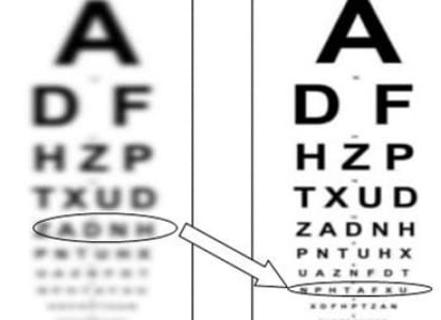
- blurred vision, and when the pathology progresses, a gray veil appears;
- narrowing of the field of view, loss of certain parts of the field of view;
- if there is a detachment of the central part of the retina (the macula), there is a significant decrease in visual acuity, distortion of objects or their complete loss from the field of vision.
Sometimes patients note that in the morning the symptoms are reduced or disappear. This is due to the fact that in a horizontal position, the retina returns to its place and the fluid is intensively absorbed. But still, in the afternoon, the symptoms will appear again.
The sooner the patient notices the symptoms of retinal detachment and goes to the doctor, the better prognosis of vision recovery can be expected. This is evidenced by recent data on retinal detachment in the macular area. The researchers found out that the restoration of vision in people whose untreated detachment time is 3 days or less have much better results than those whose detachment time is between 4 and 7 days.
So, if you or your relatives are concerned about the symptoms described above - do not hesitate, contact an ophthalmologist immediately.
Frequently Asked Questions
What are the early signs of retinal detachment?
Early signs of retinal detachment include short-term flashes of bright light, floating objects or shadows in your vision, blurred vision, and a gray veil appearing. You may also experience narrowing of your field of view and, if the central part of the retina is detached, significant loss of visual acuity.
How quickly can retinal detachment develop?
Retinal detachment can develop in a matter of seconds or may progress over years. It's important to be aware of the symptoms and seek help promptly.
Why is time important in treating retinal detachment?
The sooner retinal detachment is treated, the better the chances of recovering vision. Studies suggest that those with detachment symptoms for 3 days or less have significantly better outcomes than those with symptoms for 4 to 7 days.
Can symptoms of retinal detachment disappear temporarily?
Yes, some patients may notice that symptoms reduce or disappear when lying down. This can happen because the retina may return to its place temporarily, but symptoms often return later.
What should I do if I notice symptoms of retinal detachment?
If you experience symptoms of retinal detachment, such as flashes of light or floating objects, contact an ophthalmologist immediately. Prompt medical attention is crucial for the best chances of vision recovery.
Is retinal detachment painful?
Retinal detachment is generally a painless condition. However, it can lead to serious vision problems if not treated promptly.
What can cause retinal detachment?
Retinal detachment can be caused by various factors, including aging, eye injury, or other eye diseases. It's important to consult an eye-care professional for a thorough evaluation.