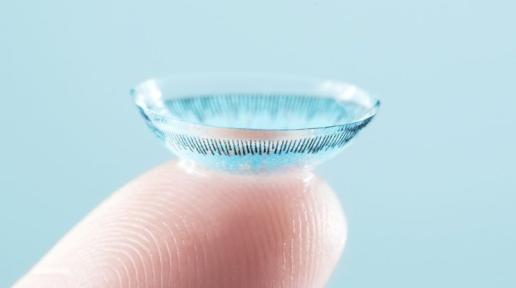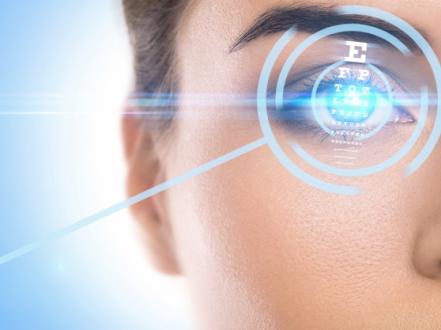

Poor eyesight, if it is caused by refractive disorders such as myopia, can be easily restored with glasses, contact lenses or laser vision correction.
But there are a number of complicated cases in which vision is lost without the possibility to restore it, for example in diseases such as
- Amblyopia in adults
- Pigmentary degeneration of the retina
- Stargardt disease
High-quality vision is impossible in the presence of a condition such as nystagmus.
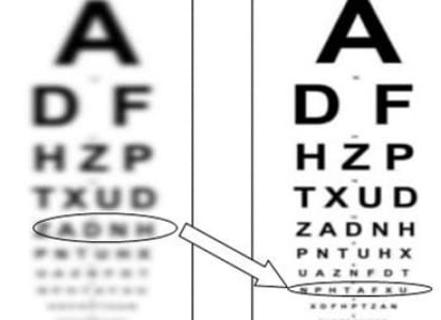
But the human vision mechanism is not just the eye; it is also the processing of information by the brain. Our brain is able to analyze what the eye conveys to it and improve this picture for a better perception by the human mind, like a professional photographer who processes photos in Photoshop.
Another important feature of our brain is neuroplasticity. This feature is associated with the ability of the nervous system to adapt to changing conditions and acquire new skills. The acquired skills are persisted for many years.
Using deep scientific knowledge about neuroplasticity and the ways of image formation in the human brain, the Israel company Talshir Medical Systems have invented the Revital Vision technology.
Revital Vision can help with:
- Adults and children with amblyopia
- Improve vision after cataract surgery
- Improve poor vision conditions
- Refuse reading glasses for patients with presbyopia
- Improve distance vision without glasses in patients with myopia less than 1.5D
- Improve vision after refractive surgery
You can learn more about how this technology works, which doctor to consult, and how to buy a license on the pages of our website.
Frequently Asked Questions
Can neuroadaptation improve vision in adults with amblyopia?
Yes, neuroadaptation can potentially improve vision in adults with amblyopia. The Revital Vision technology, developed using principles of neuroplasticity, is designed to assist individuals with this condition.
What are some conditions where vision restoration is difficult?
Difficult cases for vision restoration include conditions such as amblyopia in adults, pigmentary degeneration of the retina, and Stargardt disease. These conditions often lead to vision loss that cannot be easily restored.
How does the brain contribute to vision improvement?
The brain plays a crucial role in vision by processing information received from the eyes and enhancing it for better perception. This process is similar to how a photographer edits images to improve their quality.
What is Revital Vision technology?
Revital Vision technology is a method developed to assist with vision improvement by utilizing the brain's neuroplasticity. It aims to help various vision-related issues, including amblyopia and post-surgery vision enhancement.
Who should I consult about using Revital Vision?
For inquiries about using Revital Vision technology, it is recommended to consult an eye-care professional. They can provide personalized advice and guidance based on your specific vision needs.
Can laser vision correction restore my vision?
Laser vision correction can restore vision for individuals with refractive disorders like myopia. However, it may not be effective for complex vision loss caused by other conditions.
Is it possible to improve distance vision without glasses?
Yes, the Revital Vision technology may help improve distance vision without glasses for patients with myopia of less than 1.5D. Consultation with an eye-care professional is advisable to explore this option.