
Eyesight age deterioration is the common incentive for people after 40 to visit specialists who are able to determine the main cause for such unpleasant change in the function of the most crucial sensory organ, which helps us to perceive and respond to our surroundings. And while some vision issues can be explained by eye strain and dryness sensations that are provoked by modern lifestyle and overuse of screens with blue light that affects the retina, some conditions, such as the cataract, are much more dangerous and should be handled properly to avoid losing vision.
How common age-related vision problems and eyesight impairment can affect your life
Disorders that lead to vision loss are not always life-threatening. However, it certainly impacts the quality of your life. So if ageing eyes and common vision problems start to bother you, and you have noticed some warning signs, you must consult an eye doctor who is capable of accurately diagnosing and developing an efficient treatment scheme to boost the health of your eyes. When the eye becomes less flexible, apparently, you will experience some discomfort during the performance of daily objectives:
- problems with reading will occur;
- the risk of accidents on the road will grow if a driver suffers due to troubles with seeing;
- losing visual acuity, the activity of some patients will fall, and they may even struggle with psychological issues, as vision impairment definitely ruins your well-being;
- if left untreated, some conditions can cause total blindness and lead to disability in older adults.
There is many tips on how to improve eyesight naturally, and one of the best ways to age-proof your eyesight and improve your eyes' wellness that was damaged due to age-related eye issues is to saturate your diet with vitamins, antioxidants, and elements that can strengthen your eyes. Exercising and establishing an appropriate schedule with enough healthy sleep and fresh air walks are other remedies. However, not all tactics can produce the desired results. Also, in selecting some natural strategies, you must be able to separate myths and facts, which is not a straightforward objective.
To reverse eyesight deterioration and vision loss, it would be a wise decision to equip yourself with pivotal information on the key triggers that give rise to age eyesight changes.
What are some common eye problems that can be related to getting older?
For overall health, over time, in the body as a whole, in the eyes, in particular, certain changes occur, the intensity and severity of which is usually associated with a certain age. Due to the contemporary life pace that we live in, eye phenomena and abnormalities may show up early enough. The symptoms' intensity is progressing relatively slowly. Different people at different ages may notice an array of alarms, depending on the degree of discomfort that disturbs a person, including:
- Sudden sensitivity to light.
- Blurry, hazy, or double vision.
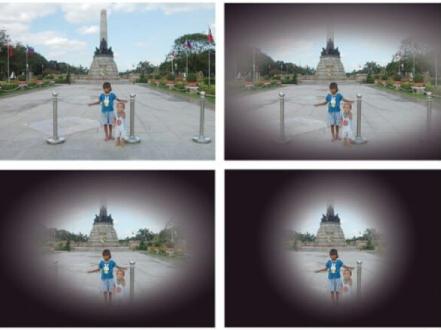
- At the centre of your vision, you may spot an empty or dark patch.
- Sudden spots with the feeling of their floating in the eyes.
- Swollenness and redness.
- The sensation of burning and itching.
It is for these reasons that each patient at a particular time may require their own individual glasses, a treatment plan, and medical advice for their needs and for dealing with the condition that has evoked visual difficulties. So here are the top 5 old-age eye problems:
Glaucoma. Glaucoma is a chronic disease characterized by increased pressure within the eyeball, which can be the main source for the gradual loss of sight. The goals of glaucoma treatment are to reduce intraocular pressure to a safe level in each individual patient and to prevent the development of optic nerve atrophy. Healing your eyes with such a condition is possible using medication (eye drops), laser eye surgery, and glaucoma surgery, e.g. trabeculectomy.
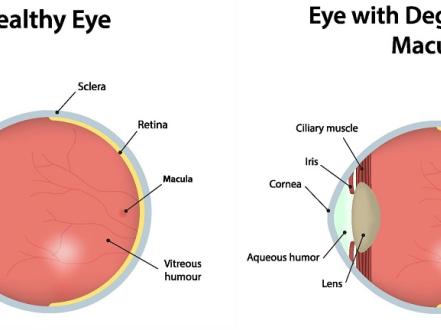
Age-related macular degeneration
It is a disease that affects the central, most important area of the retina, known as the macula, which is the region of keenest vision that plays a major role in providing vision. Poor lifestyle choices like smoking, as well as environmental effects and heredity factors, together, can provoke AMD. With AMD, mainly the mechanism of colour vision is damaged, so the first signs of the disease are a decrease in visual acuity and loss of colour perception.
Presbyopia
As you pass the age of forty, you begin to notice that it is increasingly difficult for you to focus your vision on nearby objects. This deterioration in the focusing ability of the eyes is known as presbyopia. Corrective eyeglasses are one of the common solutions for this disease to return the ability of your up-close reading.
Cataract
With a cataract, the lens becomes opaque, preventing the passage of light through the eye and leading to a decrease in visual acuity. This disease has been known to mankind for thousands of years and has been successfully cured with surgical methods. The treatment with surgical operations is quite safe and allows restoring up to 100% of the vision lost due to the development of cataracts.
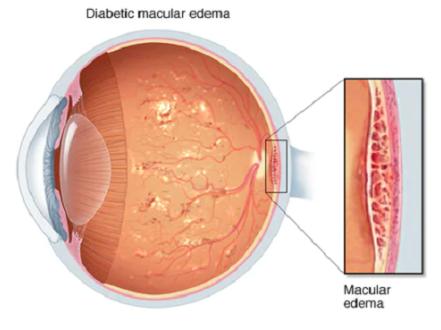
Diabetic eye disease. The retina has tiny blood vessels, so having diabetic retinopathy, these vessels can be harmed. To eliminate all risks, you must keep your sugar levels balanced.
Are there preventive care methods for ageing eyes and common vision problems?
Experts strongly recommend a balanced diet, regular exercise, weight control, stress reduction, as lifestyle changes are a part of the care plan for your eyes. However, a regular eye examination is a must-have procedure to be capable of restoring your weakened vision properly with proficient assistance. Thus,Vision Care professionals can conduct a throughout eye exam to detect some early signs of the diseases, as some issues are kept silent with no alarming signal at all.
You must also visit your physician since one of the underlying diseases for vision impairment can be diabetes. With such a diagnosis, annual checkups are imperative for the wellness of your eyes. It is paramount to be examined regularly by an ophthalmologist to discuss any changes in vision and a history of familial eye conditions to which you may be genetically predisposed.
Frequently Asked Questions
What causes vision impairment as we age?
Vision impairment in older adults can be caused by various factors including natural age-related changes in the eye, eye strain from screen usage, and conditions like cataracts, glaucoma, and age-related macular degeneration. These issues can affect visual acuity and overall quality of life.
What are the common symptoms of age-related vision problems?
Common symptoms include sudden sensitivity to light, blurry or double vision, dark patches in the central vision, and sensations of floating spots. Additionally, symptoms may include redness, swelling, and burning or itching sensations in the eyes.
How can I improve my eyesight naturally as I age?
To support eye health, consider incorporating vitamins and antioxidants into your diet, exercising regularly, and ensuring adequate sleep. While these methods may help, it's important to consult an eye-care professional for personalized advice and treatment.
What is presbyopia and how is it treated?
Presbyopia is a condition that makes it difficult to focus on nearby objects, commonly occurring after age 40. Treatment usually involves corrective eyeglasses to help restore the ability to see clearly at close range.
What should I do if I notice changes in my vision?
If you notice any changes in your vision, such as blurriness or increased sensitivity to light, it is essential to consult an eye doctor. Early diagnosis and treatment can help prevent further deterioration of your eyesight.
What lifestyle changes can help maintain eye health as I age?
Maintaining a balanced diet, staying physically active, controlling stress, and managing weight can all contribute to better eye health. Regular eye examinations are also crucial for detecting potential problems early.
What are the risks of untreated age-related eye conditions?
Untreated age-related eye conditions can lead to severe consequences, including total blindness and disability. Conditions like cataracts and glaucoma can progressively worsen if not properly managed, underscoring the importance of regular eye care.