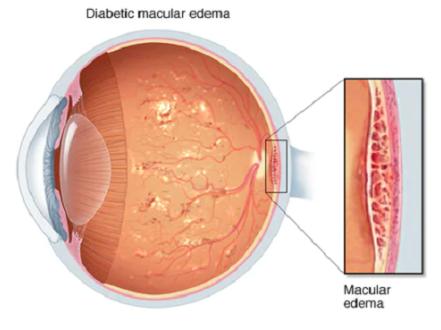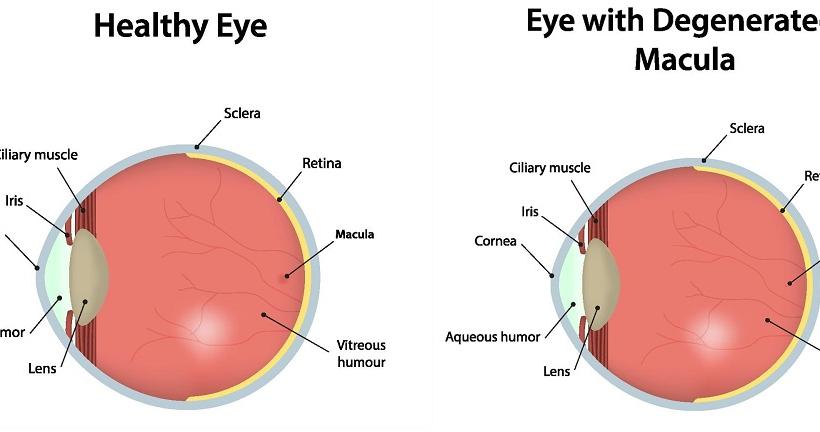

People accept information from the surrounding world through the sense organs. Our eyes provide a vision that considers how we perceive the surrounding things. Within time, sight weakens. This case influences the work of the whole organism because the body loses one of the leading guides in the environment. Older adults often face age-related macular degeneration due to multiple factors. Saying with simple words, this disorder manifests itself in the form of blurring the central vision. Some people live with similar changes as they believe there are no solutions. However, modern medicine lets you forget about almost any kind of discomfort. Nowadays, clinics are able to overcome the patients’ problems by a range of planned actions. Treatment includes methods that provide an appropriate result with no harm to the health.
Causes of age-related macular degeneration
It is obvious that any illness has its primary reasons for occurring. If people want to get rid of something, first, they should find things that have become irritators to a particular condition. Only after this step, doctors can choose ways of curing that will be effective. A certain factor causes age-related wet macular degeneration, another parameter impacts the opposite dry types.
Usually, patients know that their age and parents’ genes mean a lot. However, they don’t take into account their daily habits. So, the following points put personalities at risk of getting eye age-related macular degeneration:
- Smoking. Tobacco contains dangerous chemicals that lead to reducing the oxygen-carrying capacity of the blood. Therefore, an eye doesn’t get enough elements. As a consequence, you may obtain neovascular age-related macular degeneration.
- Obesity. Scientists haven’t proved the definition of overweight, but there is a theory that it influences the development of dry age-related macular degeneration. There can be an accumulation of fat under the retina.
- High blood pressure. The effect is almost the same as smoking cigarettes. And it also creates additional tension on the eyes and other parts of the organism.
- Being in the sun too much. Ultraviolet rays directly contact the surface of the body. Within time, they begin to damage the coverage of the organs.
- Alcohol drinking. Beverages destroy all the inner systems, and the sensors aren’t exceptions. Truly def healing predicts the neediness to refuse alcohol.
- Diet. People who consume fat-saturated food and don’t follow healthy nutrition are vulnerable. Curing of exudative age-related macular degeneration comprises changing eating habits.
Healing of age-related macular degeneration
After going through the diagnostics, doctors select treatment for wet age-related macular degeneration. It usually includes some medication and laser therapy. The set of symptoms helps to decide rightly what kinds of curing are safe. Professionals pay attention to risk factors, not to make a person worse. Surely, prevention of a more serious condition is no less than treatment of dry age-related macular degeneration that is visible. Don’t wait if you experience blurring and changes in colour perception. Sometimes, there are not many features that point out the disorder. On such occasions, clients meet clear outcomes of an illness with no possibility of its avoiding. The macula performs a refractive function which lets people see objects in front of them with no sight vision. Therefore, it damages the quality of life, patients aren’t fully blind, but still, such a condition is extra unpleasant.
Looking at facts, satisfying progression comes with sessions. So, knowing the definition of age-related macular degeneration, patients avoid myths and realize how to prevent complications.
Frequently Asked Questions
What is age-related macular degeneration?
Age-related macular degeneration (AMD) is a condition that causes blurring of central vision, affecting how individuals perceive their surroundings. It is common in older adults and can result from various factors including genetics and lifestyle habits.
What are the main causes of age-related macular degeneration?
The main causes of age-related macular degeneration include aging, genetic factors, smoking, obesity, high blood pressure, excessive sun exposure, alcohol consumption, and poor diet. These factors can increase the risk of developing both dry and wet types of AMD.
How can I reduce my risk of developing age-related macular degeneration?
To reduce the risk of AMD, it is important to avoid smoking, maintain a healthy weight, manage blood pressure, protect eyes from UV rays, limit alcohol intake, and eat a balanced diet rich in nutrients. Consulting with an eye-care professional can provide personalized recommendations.
What treatments are available for age-related macular degeneration?
Treatment options for wet age-related macular degeneration typically include medications and laser therapy. For dry AMD, changing dietary habits and managing risk factors can help. It is essential to consult an eye-care professional for appropriate diagnosis and treatment.
What symptoms should I watch for with age-related macular degeneration?
Common symptoms of age-related macular degeneration include blurring of central vision and changes in color perception. If you notice these symptoms, it's crucial to seek medical advice as early detection can help in managing the condition.
Can age-related macular degeneration lead to blindness?
While age-related macular degeneration does not typically cause complete blindness, it can significantly impair the quality of vision. Individuals may still see but experience difficulties with central vision, which can affect daily activities.
Is there a cure for age-related macular degeneration?
Currently, there is no cure for age-related macular degeneration, but treatments can help manage the symptoms and slow progression. It's important to consult an eye-care professional for the best approach to your specific condition.