
People see the beauty of the surrounding world thanks to their eyes. These organs provide refractive functions that allow them to accept the exterior images. Some hazards ruin the main structure and cause awful shutdowns. Typical disorders may not be visible till the onset of a severe stage. Such a situation is common for glaucoma. This is the damage of the optic nerve that influences the quality of sight a lot. One unpleasant factor is that there is no universal treatment that may turn your vision back at once. However, some preventative measurements stop the process and keep the health in a stable condition. Self-medication leads to complications when people treat the illness without professional support. Therefore, looking for a doctor who specializes in this area is reasonable.
What causes glaucoma?
Revealing the causes is obvious to finding the solution to a certain problem. This is a key to convalescence and recuperation. A number of reasons may put you at risk, for example, these points are the primary provokers:
- Increased pressure inside. Raised tension leads to nerve damage because the fluid can’t drain properly. The eye loses the connection with the brain and doesn't transmit images there. Therefore, glaucoma in the eye develops and gains strong particularities.
- Weakening of the body because of age. Adults suffer from glaucoma vs cataracts due to the worsening of the work of the inner organs.
- Similar disorders in family history. Genes play a significant role, as our ancestors tended to some types of diseases. First, these are shutdowns related to the vision problem. These are myopia and long-sightedness, retinopathy, and so on.
- The impact of other present diseases. Even diabetes may affect the appearance of the vision in glaucoma. Tumours that extend their sizes also become irritators to glaucoma. Scientists have proven these facts by performing various researches and experiments.
- Ethnicity. Surprisingly, some nations are more likely to get glaucoma hereditary than others. People of African and Asian origin belong to the risk groups.
- Injuries and the condition after operations. Any surgery causes stress to the organism because such manipulations mean sudden transformations. The body needs some time to recover. However, sometimes, organs obtain injuries that stimulate different types of glaucoma depending on the kinds of wounds.
- Side effects of medications. Temporary disorders are possible when people can’t avoid the consumption of medical preparations. Not always they can replace some drugs with similar ones.
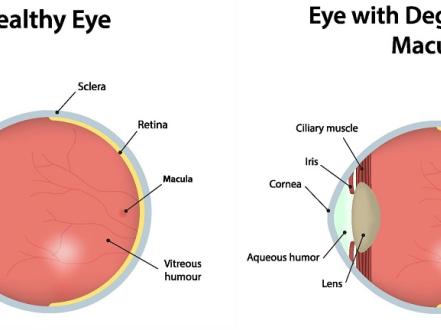
- Individual vulnerable structure of an eye. Angular closure glaucoma hits people who have originally weak eyes. When liquid isn’t able to move through an eye, ICD 10 glaucoma approaches. Doctors explain such inconvenient limits with the specifics of placement of the cornea and iris.
Glaucoma symptoms and treatments
In the cases when patients know what glaucoma is, they may be ready to fight uncomfortable symptoms almost immediately. Mainly, going through examinations is obvious to understanding exactly what problem you face. Signs of glaucoma firstly aren’t external. People notice them later if the condition becomes severe. Clients often experience eye pain and headache, constant blurring, and frequent nausea. Their eyes are often red and patients see halos around the light.
Unfortunately, there are no methods to eliminate the definition of glaucoma fully. But a def glaucoma cure can improve the state of your eyes. Surgery in glaucoma may fix the disorder. Self-medication isn’t the right and safe solution. Therefore, contact a specialist who offers treatments for glaucoma and obtain a clear plan of healing.
Frequently Asked Questions
What causes glaucoma?
Glaucoma can be caused by increased pressure inside the eye, which damages the optic nerve. Other factors include age, family history of eye disorders, certain diseases like diabetes, and ethnicity. Injuries and medications may also contribute to the risk.
What are the symptoms of glaucoma?
Early symptoms of glaucoma may not be noticeable, but as the condition worsens, patients may experience eye pain, headaches, blurriness, red eyes, and seeing halos around lights. Regular examinations are essential to detect these symptoms.
Can glaucoma be cured?
There is currently no cure for glaucoma that can restore vision, but treatments are available to manage the condition and prevent further damage. Consulting an eye-care professional is crucial for developing an effective treatment plan.
How is glaucoma treated?
Glaucoma treatment may involve medication, laser therapy, or surgery to improve drainage and reduce eye pressure. Self-medication is not advisable, so it's important to work with a specialist for the best approach.
Is there a way to prevent glaucoma?
While there is no guaranteed way to prevent glaucoma, regular eye exams can help detect it early. Taking preventive measures, maintaining overall health, and following your eye-care professional's advice may help manage risk.
Who is at higher risk for developing glaucoma?
Individuals at higher risk for glaucoma include older adults, those with a family history of eye disorders, and people of African or Asian descent. Other factors like existing health conditions and previous eye injuries also contribute to risk.
What should I do if I think I have glaucoma?
If you suspect you have glaucoma or experience symptoms, it's important to schedule an appointment with an eye-care professional. They can provide proper examinations and guide you through diagnosis and treatment options.