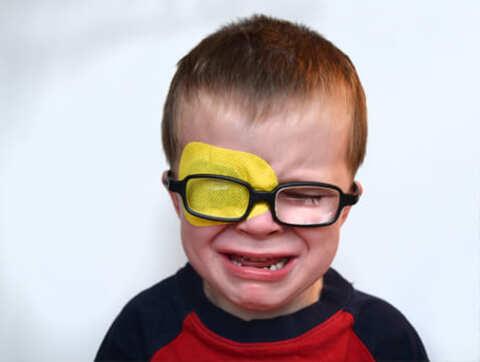

Amblyopia in children is a disease in which visual acuity may be decreased. Lazy eye syndrome is characterized by a reduced vision strain in one eye, which affects the visual processes in general. About 2% of the population has a similar pathology all around the globe. Children are the most vulnerable category.
The symptoms of amblyopia
The symptoms of amblyopia are as follows:
- significant deterioration in near vision;
- distance vision is getting worse;
- frequent headaches and extreme fatigue;
- light sensitivity;
- it becomes difficult to distinguish color shades;
- the edge of the upper eyelid may be dropped;
- the eyes start making uncontrolled movements.
Visual impairment can be mild or completely change vision and even lead to blindness. Therefore, you should not postpone treatment of amblyopia in children, as it may have serious consequences.
Medical strategies for the treatment of amblyopia in children
Timely diagnosis and comprehensive vision therapy for amblyopia in children are critical for improved lifelong vision and better kid’s well-being. So let’s explore four possible options for treating this condition:
Kids eye patch
Patching is probably the first medical solution for kids who have been diagnosed with the condition also known as lazy eye. Its purpose is to cover the healthier eye with not impaired eyesight to enhance the weaker and impaired eye to work more intensively. To obtain the desired outcomes and recover vision in the affected eye, a patch must be used as directed by a specialist.
Vision improvement with properly selected eyeglasses
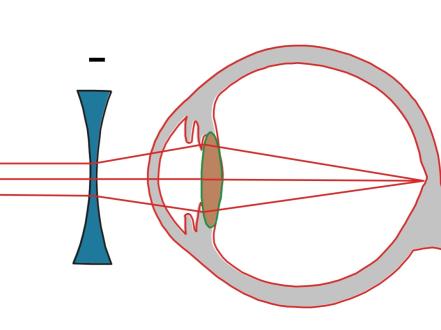
Wearing glasses can help to fight signs of impaired or dim vision in children. Usually, kids who experience nearsightedness or far-sightedness are prescribed customized and adjusted eyeglasses. However, without other using only eyeglasses may be inefficient. So consider combining several types for the treatment of amblyopia in children to maximize the results.
Specially created eye drops
Drops are usually applied to one stronger eye, as the key task of such methods is similar to patching: to force the lazy eye to work better and regain its power. Drops are sometimes an imperative component of overall vision therapy, so it will be not so straightforward to bring back better vision without them.
Surgery for amblyopia in children
One of the causes of the condition can be cataracts, meaning that the eye becomes steadily opaque and vision is blurred. And even despite the fact that cataracts are most commonly associated with aging and strike the elderly, some kids may also suffer due to the affected natural lens. Thus, if amblyopia was triggered by cataracts, only surgical intervention can fix the issues with the eye. Eye muscle surgery is also a possible solution for treating the trouble.
Importance of regular eye exam
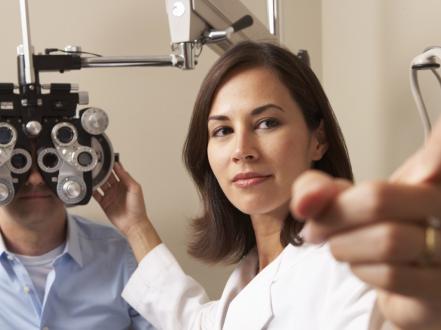
Sometimes, children may not have any complaints, and the eye issue is silent without any prominent and alarming signs and symptoms. For parents, controlling the eye health of their children is of paramount importance since with timely detection, it would be easier to get rid of the consequences and eliminate all possible risks. A series of tests performed to assess vision help uncover problems with eyesight, detect vision-threatening and dangerous diseases early, and help protect kids’ eyes health
Frequently Asked Questions
What is amblyopia in children?
Amblyopia, also known as lazy eye syndrome, is a condition where visual acuity is decreased, usually affecting one eye. It can lead to significant vision impairment and even blindness if not treated promptly.
What are the symptoms of amblyopia?
Symptoms of amblyopia include significant deterioration in near and distance vision, frequent headaches, light sensitivity, difficulty distinguishing color shades, drooping eyelids, and uncontrolled eye movements.
How is amblyopia treated in children?
Treatment options for amblyopia include patching the stronger eye, wearing specially prescribed eyeglasses, using eye drops to improve the weaker eye, and in some cases, surgery if cataracts are present.
Why is early treatment important for amblyopia?
Early treatment of amblyopia is crucial as it can prevent serious consequences, including permanent vision loss. Timely diagnosis allows for comprehensive vision therapy, improving lifelong vision and well-being.
How often should children have their eyes examined?
Regular eye exams are essential for children, even if they show no symptoms. Early detection of vision issues can help prevent complications and ensure healthy eye development.
Can amblyopia be cured?
While amblyopia can be effectively treated, the success of treatment varies among individuals. It's important to consult an eye-care professional for personalized treatment options.
What should parents do if they suspect their child has amblyopia?
If parents suspect their child has amblyopia, they should consult an eye-care professional for a comprehensive examination and appropriate treatment recommendations.