
Autoimmune illnesses have a tendency to confound the body in unpredictable and sometimes dramatic ways. One of the most visible is Graves' eye disease, a disease that is often linked with thyroid illness. This disease has the potential to impact vision, comfort, and quality of life. Most individuals can notice it because of its most visible symptom: eye bulging disease. But beneath this outward sign lies a complex medical illness that has too few individuals writing about it.
So, what is Graves' eye disease? In short, it's an inflammatory disorder in which the immune system targets the tissues around the eyes. As the disease gets worse, people go from minor dryness to full loss of vision. To treat this condition well, you need to know the early indicators and what causes them.
Uncovering the Root Causes
When people ask, "What causes thyroid eye disease?", the etiology is a combination of genetics, immune system defects, and environmental factors. The disease is closely linked to hyperthyroidism, particularly Graves' disease, but in other instances may develop even during normal thyroid hormone levels. The immune system develops antibodies that not only activate the thyroid gland but also the surrounding tissues and muscles of the eyes.
This pathological response results in swelling, fluid buildup, and scarring within the eye orbit.
The Mechanism of Eye Changes
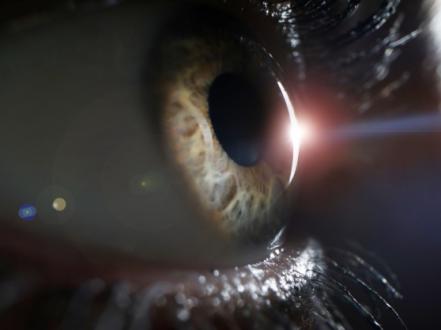
The biological mechanism behind this eye disease is the invasion of the orbital tissues by immune cells. These cells release chemicals that activate the inflammatory process, resulting in swelling of the rear muscles and fatty tissues of the eyes. As the volume of space within the eye socket decreases, the eyeballs are pushed forward, leading to Graves' disease bulging eyes. The restricted movement of the eye muscles is the reason why the majority of patients suffer from double vision.
When severe, compression of the optic nerve ensues, posing a serious risk to eyesight if left untreated.
Identifying Early Signs and Symptoms
Understanding "what are the first signs of Graves' eye disease" is important for its timely diagnosis. Even though each patient with this disease experiences the symptoms differently, there are certain warning signs to watch out for:
- Eye dryness and irritation
- Double vision
- Swollen eyelids
- Disease of the bulging eye
These thyroid eye disease symptoms have a tendency to start gradually but can quickly get more severe. Early assessment ensures better outcomes and prevents complications that would otherwise become irreversible.
Management of Short-Term Discomfort
Daily discomfort is to be controlled until treatment. Simple adjustments can prove to be of tremendous benefit in terms of quality of life. Eye drops that lubricate may alleviate dryness, and sleeping on a higher elevation alleviates puffiness. Outdoor sunglasses also shield the eyes from light sensitivity, but also wind and dust. Simple lifestyle changes like decreased smoking and stress may also decrease disease activity.
These eye care tips can make life more comfortable while longer-term measures are in the pipeline.
Treatment and Long-Term Management
Addressing the underlying thyroid condition is typically the first course of action, but the eye problems are not always fully treatable with it. Corticosteroid therapy to reduce inflammation, radiation therapy, or surgical procedures, such as orbital decompression, can be necessary. A number of novel targeted therapies have been developed over the past few decades to specifically inhibit the immune processes leading to orbital swelling.
One of the questions patients most frequently ask is: Can Graves' eye disease be cured? The answer is complex. Although some therapies can dramatically reduce symptoms and stabilize the condition, complete reversal of eye alterations is not always possible.
When to See a Specialist
Changes in the eyes must be referred to professional care once detected. Visiting high-quality eye clinics opens doors to endocrinologists and ophthalmologists who can work together on a treatment plan. Double vision, excessive dryness, and bulging that occur at a rapid rate require urgent treatment. Vision-compromising complications risk can be minimized by experts who monitor disease progression and recommend the optimal therapy.
Conclusion
Having an understanding of what causes thyroid eye disease is vital. There are websites like the My Vision Care platform that may help people learn more, get advice, and get the resources they need. With the right care, sufferers may keep their eyesight and improve their quality of life.