
In recent years, doctors have had more clients with symptoms of diabetic retinopathy. This disorder is common for people who have diabetes. Surprisingly, this condition influences the eyes a lot. That is why patients need to get a comprehensive examination once a year to understand that everything is normal. On such occasions, it is possible to prevent serious shutdowns because each deviation will be visible in advance. Vision is one of the most significant sensors of our body. Therefore, partial loss of sight or full blindness worsens the quality of life in a strong way. Kids suffer from this disease as well as adults, despite the fact it is more frequent for the older category of people.
Symptoms of diabetic retinopathy
Any disorder has its own common features thanks to which we can distinguish what it is. The primary stages of diabetic retinopathy can be not so visible and harmful, however, later severe discomfort appears and becomes even more complicated within time. So, try to pay attention to such symptoms:
- Blurry vision and bad sight at nighttime;
- Washed out or faded colours around;
- Fluctuation feeling;
- Empty or dark parts of your eyes, so named spots;
- Sharp changes of accuracy (sometimes, you see everything clear, in other cases, the blurriness is present);
- Pain in the face area and redness of eyes;
- Quick exhaustion when looking at various objects.
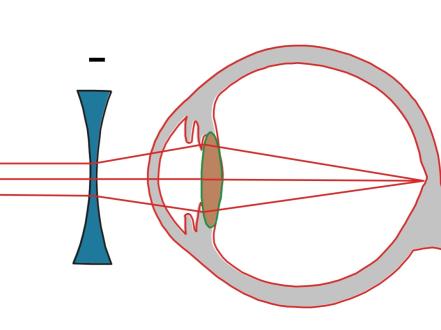
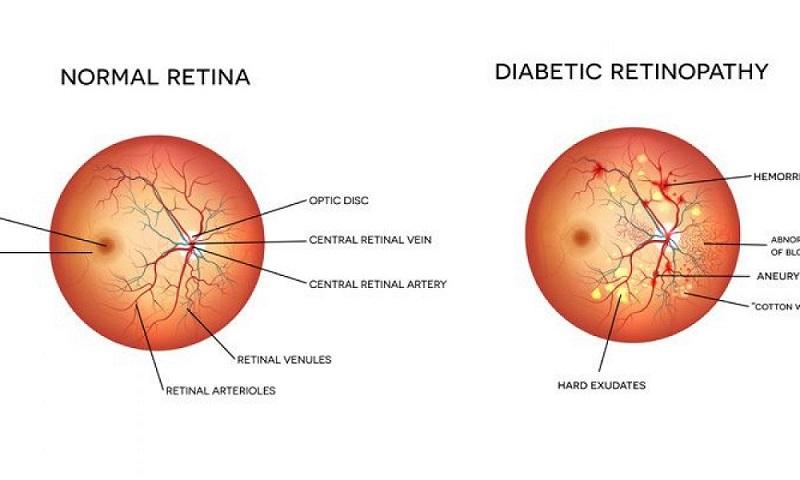
Certainly, these signs aren’t the only ones, all people face various problems and experience individual complications depending on the general condition of their health. Vision diabetic retinopathy is a complex of unpleasant factors. When the retina is damaged, it spoils the refractive process and doesn't perceive the light rightly. As a result, people meet awful consequences that demand quick reactions for relief. And before using various treatments, you should realize how such a state occurred. Causes of diabetic retinopathy vary, but often they include weakening of blood vessels due to illness. Diverse irritators lead to the separate types of this disorder, for example, background and diabetic proliferative retinopathy.
Treatment of diabetic retinopathy
Doctors have made some research to reveal diabetic retinopathy definition. Thanks to these actions, nowadays, specialists are able to cure patients. People obtain the chance to get rid of diabetic retinopathy signs and live a full life. Customers see the definition of treatment almost at once. Diabetic retinopathy eye injections let them undertake intensive sports training, provide brisk walks, engender a positive outlook by having good well-being. Facts prove the effectiveness of the procedures if you eliminate risk factors and follow experts’ recommendations. Don’t stop when living with diabetic retinopathy, ICD 10. Anyway, professional support excludes the possibility of deterioration.
Medical preparations can reserve diabetic retinopathy. They are a def solution when patients apply them at prescription. What is also important is looking for correct information, the Internet pages sometimes contain myths. Self-curing is dangerous and contacting a clinic is much safer. Remember that there are risk factors, for instance, high cholesterol, pregnancy, increased sugar level, and so on. Modern technologies offer procedures that are checked in practice for your health’s renewal.
Frequently Asked Questions
What are the common symptoms of diabetic retinopathy?
Common symptoms include blurry vision, difficulty seeing at night, washed out colors, dark spots in vision, fluctuating clarity, facial pain, and quick exhaustion when focusing on objects. These symptoms can vary based on individual health conditions.
How is diabetic retinopathy treated?
Treatment options include eye injections and medical preparations prescribed by doctors. It's essential to follow expert recommendations and eliminate risk factors for effective management.
Who is at risk for developing diabetic retinopathy?
Anyone with diabetes can develop diabetic retinopathy, but it is more common in older adults. Risk factors include high cholesterol, pregnancy, and elevated sugar levels.
How often should I get my eyes checked if I have diabetes?
It is recommended to have a comprehensive eye examination once a year. Regular check-ups can help detect any changes early and prevent serious complications.
Can diabetic retinopathy lead to blindness?
Yes, diabetic retinopathy can lead to partial loss of sight or full blindness if not managed properly. This underscores the importance of regular eye examinations and professional care.
Is there a way to prevent diabetic retinopathy?
While there is no guaranteed prevention, managing diabetes effectively and controlling risk factors can lower the chances of developing diabetic retinopathy. Consult with a healthcare professional for personalized advice.
What should I do if I experience symptoms of diabetic retinopathy?
If you experience any symptoms of diabetic retinopathy, it is crucial to consult an eye-care professional as soon as possible. Early detection and treatment can help manage the condition effectively.