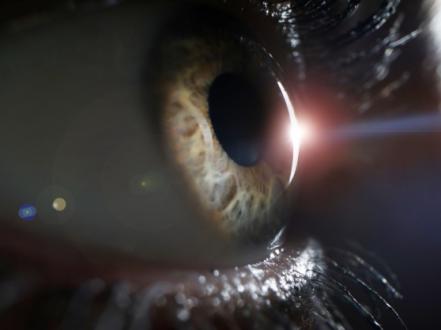

Quickly learn to identify key eye infection symptoms, causes (viral vs. bacterial eye infection), and immediate eye infection treatment options to protect your sight.
Anyone can get an eye infection, which may present itself as redness, irritation, or discharge. Caused by bacteria, viruses, or fungi, early detection and proper treatment of an eye infection are very important to prevent serious complications such as vision loss.
Knowing the signs, understanding the causes, and seeking professional care when symptoms persist can help regain eye health.
An eye infection occurs when microorganisms, such as bacteria, viruses, or fungi, invade the tissues inside or surrounding the eyeball. The most common example of this is pink eye, or conjunctivitis, which is a condition that can spread rather quickly and causes discomfort or irritation. Symptoms vary depending on the cause but may include redness, tearing, or swelling.
Since the eyes are highly sensitive organs, even minor infections can have grave consequences if left untreated. Some instances may end up in scarring of the cornea or loss of vision. For this reason, any suspicious eye irritation should be checked out by an expert specialist.
Eye health is based on quality, evidence-based information concerning diagnosis and prevention. My Vision Care platform offers such information to individuals who strive to gain eye well-being.
Identifying Common Symptoms of Eye Infection
The early identification of eye infection symptoms may spell the difference in recovery and comfort. Often, infections start off with mild irritation and progress rapidly if left unnoticed. The most usual symptoms of this problem include:
Early warning signs:
- Redness or bloodshot eyes
- Itching or burning sensation
- Mild swelling or puffiness around the eyelids (see swollen eyelid guide)
Progressive or severe symptoms:
- Sticky or yellow-green discharge
- Light sensitivity
- Tearing or watery eyes
- Blurred vision
- Crusting on the lashes or eyelids
If you experience increased symptoms or new discomfort, immediately consult the trusted eye doctors. Infections can easily go from minor to serious, and that is especially true if you wear contact lenses or have a weakened immune system.
Primary Causes: Viral, Fungal, or Bacterial?
Causes of an eye infection will vary depending on the type of microorganism implicated:
- Viral infections: These are often related to colds or respiratory viruses. These are contagious yet usually self-limiting.
- Bacterial eye infection: It is usually more serious, causing thick discharge, accompanied by pain. It usually needs medical intervention.
- Fungal infection: This is rarer but more serious and usually occurs after trauma to the eye or from contaminated water.
The most common triggers of a bacterial eye infection include sleeping in or failing to clean the lenses. Poor hygiene with lenses can introduce harmful bacteria to the cornea, raising the risk for bacterial eye infection.
Effective Treatment Options for Eye Infections
The eye infection treatment depends completely upon the cause of the inflammation. A detailed examination of the eye, sometimes with cultures or swabs, identifies the exact type of microorganism. Then, the correct cure can be suggested.
- Antibiotics prescribed for bacterial infections usually take the form of eye drops or ointments.
- Many viral infections will improve on their own; however, supportive care and antiviral medications can help speed recovery for severe infections.
- Fungal infections require antifungal drops or oral medication. Fungal infections should be treated as soon as possible to avoid complications.
Remember, self-medication with leftover drops or ointments can further worsen the infection. The diagnosis by a professional is always necessary before considering any treatment for an infection.
Home Care and When to Consult a Specialist
For mild cases, effective home care can help alleviate the discomfort and expedite recovery. You can apply warm compresses to the area several times a day to help soothe the irritation and loosen crusts. However, in cases when infections are aggressive and bring unpleasant feelings, only a trained professional can determine if further testing is necessary or if prescription treatment is required.
Conclusion
The health of the eyes should never be taken for granted. Early recognition of eye infection symptoms and timely professional care can protect sight and comfort. Be it a minor irritation or a serious bacterial eye infection, expert judgment is always to be sought after to ensure recovery in the safest and most effective way.