
Thyroid Eye Disease (TED) is an autoimmune inflammatory disorder characterized by a response by the immune system against tissues located behind the eye. This condition is often associated with Graves’ disease, one of the forms of thyroid disorders involving abnormal immune response. The more inflammation that accumulates in the orbital area, the more changes happen to the muscles around the eyes.
It is crucial to detect early on the existence of the condition since failure to do so will eventually result in the alteration of the orbit and impact vision, ocular alignment, and even comfort. Learning more about how thyroid eye disease is detected is vital for getting a comprehensive view of the condition.
The Biological Root: How Do You Get Thyroid Eye Disease?
In essence, Thyroid Eye Disease is characterized by the loss of the immune system's ability to differentiate between external threats and healthy tissue. As an example, it may be considered to be similar to a security system that begins identifying harmless tenants as intruders and initiates protective measures against them. The main difference is that the focus of such an attack is the tissue around the eyes.
This process starts from TSH receptor antibodies, which are mainly responsible for problems with the thyroid, but may react with fibroblasts present in the eye sockets. They will produce inflammation, resulting in puffiness and fat deposits behind the eyes. How do you get thyroid eye disease? It can be explained by the immune system problems rather than infections or trauma.
It is one of the initial signs and the most visible - puffy eyes and thyroid disease that arise due to liquid deposits. Later on, fat tissue growth and inflammation will lead to thyroid disease and bags under the eyes.
It does not always affect the patient in the same way. The disease goes through stages, with the onset characterized by an inflammatory stage, when the symptoms intensify, and then comes a stabilization stage, when the inflammation decreases, but there could still be some structural effects. While it is influenced by genetics, the environment and bad habits, such as cigarette smoking, greatly impact its onset and progression.
Clinical Indicators and the Diagnostic Process
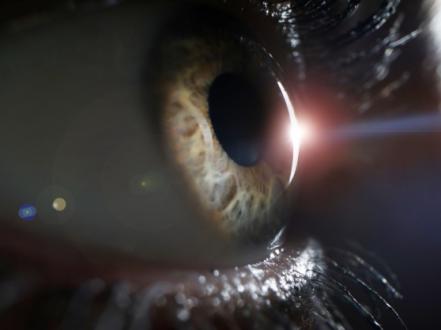
A diagnosis requires rigorous observations clinically assisted by measures. In the examination by specialists, their first step is to identify physical signs that are typical of the condition. A common inquiry is, “What are the symptoms of thyroid eye disease?” The prominent signs include eyelid retraction, resulting in the appearance of wide-open and “alert” eyes; bulging eye (proptosis); and limited movement of the eyes due to the inflammation of the muscles.
Other symptoms include irritation and light sensitivity because of the higher exposure of the eye to external factors, such as dryness. Symptoms may vary depending on the stage of the condition.
For identifying the presence of thyroid eye disease, several steps have to be followed. First, doctors rely on the Clinical Activity Score (CAS) that determines the level of inflammation and accurately measures eyelid retraction and eye protrusion in millimeters. Visual examination confirms that optic nerve activity is intact.
Radiological studies, like computed tomography scans and magnetic resonance imaging, are also conducted to prove enlargement of the extraocular muscles as well as orbital fat. Such information serves as an additional tool to distinguish TED from other possible diseases.
Overall, how thyroid eye disease is detected does not depend on one criterion only; instead, there is a need for the application of specific diagnostic techniques.
Management, Nutrition, and Prevention
Managing thyroid eye disease includes both medical therapy and lifestyle modification focused on reducing the inflammatory burden. Nutrition does not directly treat the condition; however, it helps control fluid balance and inflammation to some extent. Perhaps one of the key points related to this aspect is identifying what foods are bad for thyroid eye disease. These are mainly foods with a high content of salt, because of their tendency to exacerbate the problem.
Another food that could potentially cause inflammation, thus worsening the symptoms, is refined sugar. It is crucial to keep proper levels of iodine within the body because its lack or excess negatively impacts hormone production.
Also, preventive methods have proven to be equally crucial. Knowing how to prevent thyroid eye disease includes taking early action against thyroid dysfunction, completely refraining from smoking, and constant observation of any change in one's eyesight. Sometimes, a doctor may advise an individual to take supplements of selenium to aid in antioxidant activities and boost the immune system.
Therapeutic interventions such as eye correction surgery or using contact lenses, which are specially made for an individual, can help manage the effects of ocular changes that may result in poor eye exposure and misalignment.